


Blog
Why Sports Injuries Don’t Always Heal Completely — Even Months Later
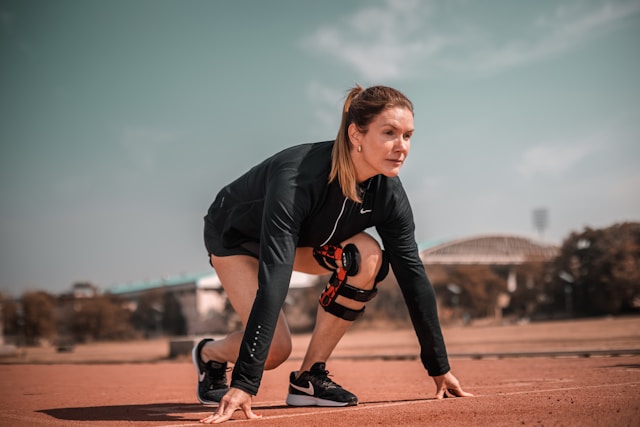
For many athletes and active individuals, a sports injury feels like a temporary setback. You rest, ice, stretch, and slowly return to activity — expecting the pain to fade with time.
But for a surprising number of people, it doesn’t.
Months later, the injury still flares up. Movement feels restricted. Strength never fully returns. Pain lingers just enough to limit performance or daily activity.
At Ashtabula Disc Center, patients visiting our Cleveland and Ashtabula locations frequently ask the same question: “Why didn’t this heal by now?” The answer often has less to do with effort and more to do with biology.
Healing Isn’t Always Automatic
Acute injuries are expected to heal within a predictable timeframe. However, not all tissue heals at the same rate — or with the same efficiency.
Sports injuries often involve tissues that are slow to recover, including:
- Tendons and ligaments
- Joint cartilage
- Spinal discs
- Nerves and surrounding soft tissue
These structures have limited blood supply, making them more vulnerable to incomplete healing.
Why Pain Persists After the Initial Injury
When tissue does not fully repair, the body may adapt instead of healing. This compensation can keep pain present long after swelling and bruising have disappeared.
Common reasons sports injuries fail to resolve completely include:
- Ongoing inflammation that never fully shuts off
- Reduced circulation to damaged tissue
- Microscopic tissue damage that goes untreated
- Altered movement patterns that overload other areas
Over time, these factors create a cycle where pain becomes chronic rather than temporary.
Rest Alone Often Isn’t Enough
Rest is important during early injury recovery, but prolonged rest does not always promote healing. In some cases, it can actually slow recovery.
Without the right type of stimulation, injured tissue may:
- Remain weak or poorly organized
- Fail to regain normal flexibility
- Become more susceptible to reinjury
This is why athletes often feel “almost better” but never fully confident returning to full performance.
If an old injury keeps limiting you, schedule a consultation to determine whether incomplete healing may be the underlying issue.
Inflammation and Reinjury Risk
Chronic inflammation plays a major role in lingering sports injuries. Even low-grade inflammation can:
- Increase tissue sensitivity
- Limit range of motion
- Interfere with strength development
- Raise the risk of reinjury
This explains why an injury that seems minor can keep returning during training or competition.
How SoftWave Therapy Supports Recovery After Sports Injuries
SoftWave Therapy uses targeted acoustic waves to stimulate cellular activity in injured or stressed tissue. Rather than masking pain, it works to support the body’s natural repair processes.
For sports-related injuries, SoftWave Therapy may help:
- Improve circulation to damaged tissue
- Reduce chronic inflammatory stress
- Encourage healthier tissue regeneration
- Support long-term recovery rather than short-term relief
This makes SoftWave Therapy a valuable option for injuries that have stalled in the healing process.
Common Sports Injuries That May Benefit from Advanced Care
Incomplete healing can affect a wide range of sports-related conditions, including:
- Shoulder and rotator cuff injuries
- Knee pain and ligament strain
- Achilles and plantar fasciitis
- Elbow and wrist overuse injuries
- Spine-related pain from repetitive impact or twisting
Addressing the underlying tissue health is often the missing piece for long-term improvement.
Why Early Attention to Lingering Injuries Matters
The longer an injury remains unresolved, the more likely it is to affect other areas of the body. Compensation patterns can lead to new pain points, reduced performance, and frustration.
Early evaluation helps identify whether healing has stalled and what steps can support recovery before long-term limitations develop.
If pain or stiffness has lingered longer than expected, contact Ashtabula Disc Center to explore your options.
Care Available in Cleveland and Ashtabula
Ashtabula Disc Center offers SoftWave Therapy at both our Cleveland and Ashtabula locations, providing non-invasive care for athletes and active individuals across Northeast Ohio.
You don’t have to accept lingering pain as “normal.” Schedule a consultation today to learn whether SoftWave Therapy may help support complete healing after a sports injury.
Medical Disclaimer: The information provided in this article is for educational purposes only and is not intended as medical advice, diagnosis, or treatment. Individual conditions and responses to care can vary. SoftWave Therapy may not be appropriate for every patient or condition. Always consult with a qualified healthcare provider to determine the most appropriate treatment options for your specific needs.
‹ Back
Recent Posts
-
-
Why Neuropathy Symptoms Often Worsen at Night
February 20, 2026
-
Why Early Intervention Matters With Neuropathy Pain
February 16, 2026
-
Why Balance and Stability Decline With Chronic Pain
February 12, 2026
-
Why Joint Pain Persists Even When Imaging Looks “Normal”
February 5, 2026

 2794 Som Center Road