


Blog
Why Joint Pain Persists Even When Imaging Looks “Normal”
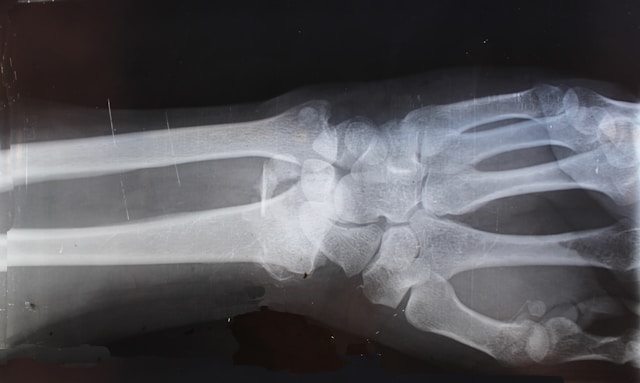
One of the most frustrating experiences for people dealing with chronic joint pain is being told that imaging looks “normal.” X-rays don’t show arthritis. MRIs don’t reveal major damage. And yet, the pain is very real.
For many patients, this creates confusion and doubt. If nothing appears wrong on imaging, why does the joint still hurt?
At Ashtabula Disc Center, patients visiting our Cleveland and Ashtabula locations frequently ask this exact question. The answer lies in understanding what imaging can — and cannot — show.
Imaging Shows Structure, Not Tissue Health
X-rays and MRIs are valuable tools, but they are limited. Imaging primarily shows structural changes such as fractures, significant degeneration, or major tears.
What imaging often does not show clearly includes:
- Low-grade or chronic inflammation
- Early tissue degeneration
- Cellular stress within joint tissue
- Changes in circulation
- Subtle nerve irritation
Because of this, joints can be painful even when imaging appears unremarkable.
Why Joint Pain Can Exist Without Structural Damage
Joint pain is not caused by structure alone. Pain often develops when tissue is not functioning properly at a biological level.
Even when cartilage thickness appears normal and joint alignment looks intact, tissue may still be:
- Inflamed
- Poorly circulated
- Unable to repair microscopic damage
- Sensitive to everyday stress
This type of dysfunction does not always show up on imaging but can still generate persistent pain.
Chronic Inflammation Is Often the Missing Piece
Low-grade, ongoing inflammation is one of the most common reasons joint pain persists despite “normal” imaging.
Unlike acute inflammation, which causes obvious swelling and heat, chronic inflammation can be subtle and persistent. Over time, it can:
- Increase pain sensitivity
- Limit range of motion
- Slow tissue repair
- Cause pain during normal movement
Because chronic inflammation does not always cause visible structural changes, it is frequently overlooked.
If imaging hasn’t explained your joint pain, schedule a consultation to explore whether inflammation may be contributing to your symptoms.
Why Joint Pain Often Becomes Chronic
When tissue does not heal completely, the body adapts. Movement patterns change. Muscles tighten to protect the joint. Nerves become more sensitive.
Over time, this creates a cycle where pain persists even without obvious damage.
This is why people are often told nothing is “wrong,” yet their ability to move comfortably continues to decline.
The Role of Circulation in Joint Health
Healthy joints depend on circulation to deliver oxygen and nutrients while removing waste products.
When circulation is reduced — whether due to inactivity, inflammation, or aging — tissue health suffers.
Poor circulation can:
- Delay tissue repair
- Allow inflammation to linger
- Increase sensitivity to stress
- Contribute to long-term joint discomfort
These changes often occur without showing up on imaging studies.
Why Treating Symptoms Alone Often Fails
When imaging looks normal, treatment often focuses on symptom management rather than tissue health.
While pain relief strategies may help temporarily, they often do not improve how the joint tissue functions.
As a result, pain returns once treatment ends.
How SoftWave Therapy Addresses What Imaging Can’t See
SoftWave Therapy uses targeted acoustic waves to stimulate cellular activity in injured or stressed tissue. Rather than focusing on structural changes, it works to support the biological processes that allow tissue to heal.
For chronic joint pain, SoftWave Therapy may help:
- Improve circulation around the joint
- Reduce chronic inflammatory stress
- Encourage healthier tissue response
- Support improved comfort with movement
This tissue-focused approach is especially valuable when imaging fails to explain persistent pain.
Why a Tissue-Health Approach Matters
When joint pain is addressed at the tissue level, improvement often becomes more consistent and lasting.
Instead of chasing symptoms, care focuses on restoring function, reducing inflammation, and improving tissue resilience.
If joint pain has persisted despite normal imaging results, contact Ashtabula Disc Center to explore your options.
Care Available in Cleveland and Ashtabula
Ashtabula Disc Center offers SoftWave Therapy at both our Cleveland and Ashtabula locations, providing non-invasive care for patients dealing with unexplained joint pain across Northeast Ohio.
You don’t have to accept pain just because imaging looks normal. Schedule a consultation today to learn whether SoftWave Therapy may help support healthier joint function.
Medical Disclaimer: The information provided in this article is for educational purposes only and is not intended as medical advice, diagnosis, or treatment. Individual conditions and responses to care can vary. SoftWave Therapy may not be appropriate for every patient or condition. Always consult with a qualified healthcare provider to determine the most appropriate treatment options for your specific needs.
‹ Back
Recent Posts
-

-

Why Neuropathy Symptoms Often Worsen at Night
February 20, 2026
-

Why Early Intervention Matters With Neuropathy Pain
February 16, 2026
-

Why Balance and Stability Decline With Chronic Pain
February 12, 2026
-
Why Joint Pain Persists Even When Imaging Looks “Normal”
February 5, 2026

 2794 Som Center Road