


Blog
Why Knee Pain Often Worsens With Age — Even Without New Injury
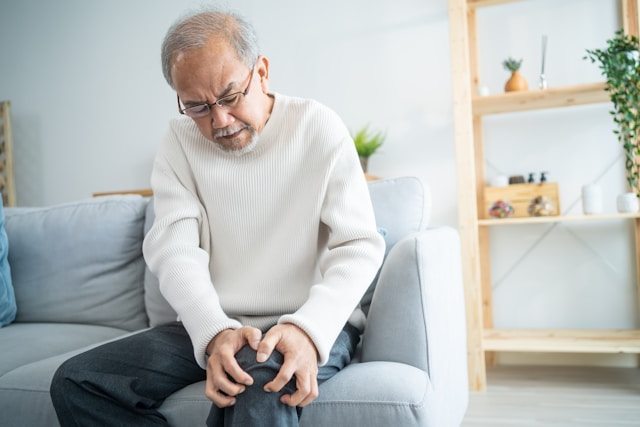
Many people assume knee pain only worsens after a specific injury. But for countless patients, knee discomfort increases gradually with age — even when there has been no new trauma.
Stiffness becomes more noticeable. Pain lasts longer after activity. Recovery takes more time. Eventually, knee pain begins to affect daily movement.
At Ashtabula Disc Center, patients visiting our Cleveland and Ashtabula locations often ask why knee pain seems to progress despite being careful and avoiding injury. The answer usually has less to do with age itself and more to do with how knee tissue responds to stress over time.
Aging Changes How Knee Tissue Responds to Stress
The knee is a weight-bearing joint that absorbs force with every step. Over time, repeated stress affects cartilage, ligaments, tendons, and surrounding soft tissue.
As tissue ages:
- Circulation to joint structures gradually decreases
- Cellular repair processes slow
- Tissue becomes less resilient to everyday stress
- Inflammatory responses linger longer
These changes can allow discomfort to build even without a clear injury.
Why Knee Pain Often Develops Gradually
Unlike acute injuries, age-related knee pain often progresses slowly. Early symptoms may be subtle — mild stiffness in the morning or soreness after prolonged activity.
Because pain develops gradually, many people delay addressing it. Over time, unresolved tissue stress can lead to chronic discomfort.
This gradual progression often creates the impression that knee pain is simply “part of getting older,” when in reality it reflects tissue that has not fully recovered from ongoing stress.
Chronic Inflammation Plays a Major Role
Low-grade, ongoing inflammation is one of the most common reasons knee pain worsens with age.
Even without visible swelling, inflammatory stress can remain active inside the joint and surrounding tissue. This chronic inflammation can:
- Increase pain sensitivity
- Limit range of motion
- Slow tissue repair
- Contribute to degenerative changes
Without addressing inflammation at the tissue level, pain often continues to progress.
Why Rest Alone Doesn’t Stop the Progression
Many people respond to knee pain by reducing activity. While short-term rest can reduce irritation, prolonged inactivity often creates new problems.
Without appropriate stimulation:
- Circulation to knee tissue decreases further
- Cartilage receives fewer nutrients
- Supporting muscles weaken
- Joint stiffness increases
This can make the knee less capable of handling everyday movement, allowing pain to worsen over time.
If knee pain keeps returning despite rest, schedule a consultation to explore whether incomplete tissue healing may be contributing to your symptoms.
Why Knee Pain Often Affects Other Areas
As knee pain increases, the body adapts. People may shift weight, alter gait, or avoid certain movements to reduce discomfort.
These compensation patterns can:
- Increase stress on the hips and lower back
- Strain the opposite knee
- Reinforce chronic pain patterns
- Reduce overall mobility
Over time, knee pain that began gradually can contribute to widespread discomfort.
The Importance of Tissue Stimulation in Aging Knees
Knee tissue relies on mechanical and biological stimulation to remain healthy. Movement and targeted stimulation help promote circulation, nutrient delivery, and cellular repair.
Without the right type of stimulation, tissue may remain inflamed and poorly repaired, allowing pain to progress.
Supporting tissue health — rather than simply managing symptoms — is key to long-term knee comfort.
How SoftWave Therapy Supports Knee Health Over Time
SoftWave Therapy uses targeted acoustic waves to stimulate cellular activity in injured or stressed tissue. Rather than masking pain, it works to support the body’s natural repair processes.
For knee pain that worsens with age, SoftWave Therapy may help:
- Improve circulation around the knee joint
- Reduce chronic inflammatory stress
- Encourage healthier tissue response
- Support improved comfort with movement
This non-invasive approach is especially valuable for patients whose knee pain has progressed without a specific injury.
Why Early Attention Makes a Difference
The earlier knee tissue health is addressed, the easier it is to interrupt the cycle of chronic pain.
Early evaluation helps determine whether healing has stalled and allows care to focus on restoring function before pain becomes more limiting.
If knee pain has gradually worsened over time, contact Ashtabula Disc Center to explore your options.
Care Available in Cleveland and Ashtabula
Ashtabula Disc Center offers SoftWave Therapy at both our Cleveland and Ashtabula locations, providing non-invasive care for patients dealing with progressive knee pain across Northeast Ohio.
You don’t have to accept worsening knee pain as inevitable. Schedule a consultation today to learn whether SoftWave Therapy may help support long-term knee health.
Medical Disclaimer: The information provided in this article is for educational purposes only and is not intended as medical advice, diagnosis, or treatment. Individual conditions and responses to care can vary. SoftWave Therapy may not be appropriate for every patient or condition. Always consult with a qualified healthcare provider to determine the most appropriate treatment options for your specific needs.
‹ Back
Recent Posts
-
-

Why Neuropathy Symptoms Often Worsen at Night
February 20, 2026
-
Why Early Intervention Matters With Neuropathy Pain
February 16, 2026
-

Why Balance and Stability Decline With Chronic Pain
February 12, 2026
-
Why Joint Pain Persists Even When Imaging Looks “Normal”
February 5, 2026

 2794 Som Center Road