


Blog
Why Knee Pain Worsens Over Time Without the Right Type of Stimulation
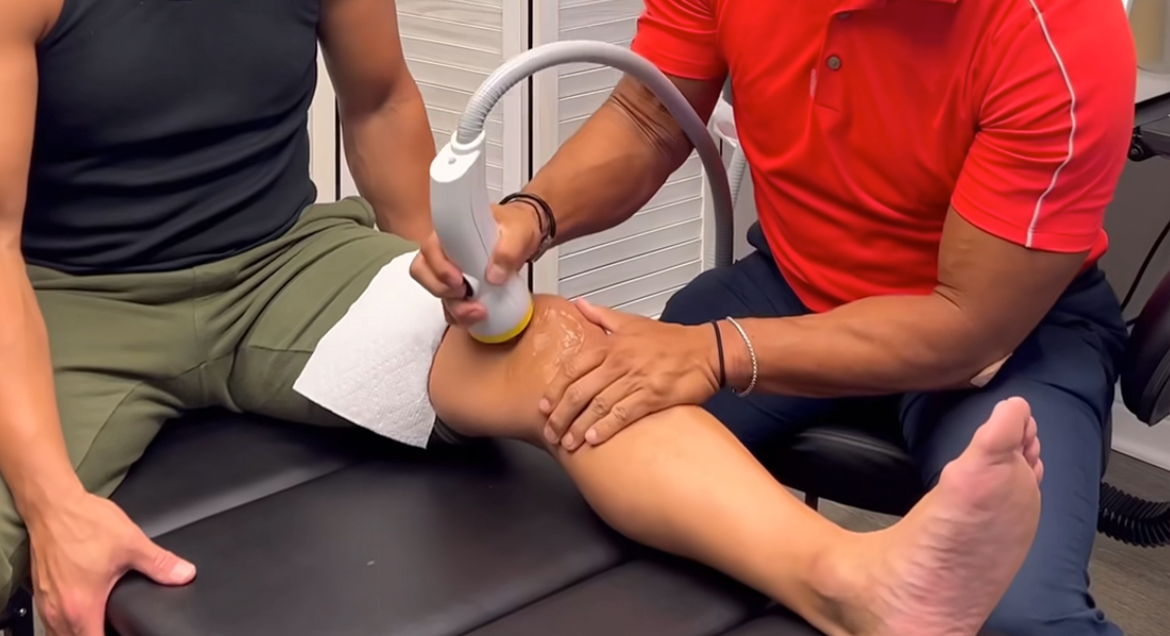
Knee pain is one of the most common reasons people reduce activity, avoid exercise, or accept discomfort as part of daily life. For many, the pain begins gradually — a dull ache when standing up, stiffness after sitting, or soreness following activity.
What often surprises patients is that knee pain rarely stays the same. Without the right type of stimulation, it frequently worsens over time.
At Ashtabula Disc Center, patients visiting our Cleveland and Ashtabula locations often ask why their knee pain seems to progress despite rest, bracing, or traditional care. The answer usually lies in how knee tissue responds — or fails to respond — to healing signals.
Knee Tissue Is Vulnerable to Incomplete Healing
The knee is a complex joint that relies on healthy cartilage, ligaments, tendons, and surrounding soft tissue to function properly. Many of these structures receive limited blood flow, which makes healing slower and less predictable.
When knee tissue is injured or stressed, the body needs the right type of stimulation to initiate repair. Without it, healing may stall, allowing discomfort and stiffness to persist.
Over time, this incomplete healing can lead to:
- Reduced joint mobility
- Increased inflammation
- Weakened supporting tissue
- Progressive joint stress
Why Rest Alone Often Makes Knee Pain Worse
Rest is commonly recommended for knee pain, especially after injury. While short-term rest can reduce irritation, prolonged inactivity often creates new problems.
Without appropriate stimulation:
- Circulation to knee tissue decreases
- Cartilage receives fewer nutrients
- Supporting muscles weaken
- Joint stiffness increases
This creates a cycle where the knee becomes less resilient, making future activity more painful rather than easier.
If knee pain has limited your ability to stay active, schedule a consultation to explore whether incomplete healing may be contributing to your symptoms.
Chronic Inflammation Drives Progressive Knee Pain
Low-grade, ongoing inflammation is one of the most common factors behind worsening knee pain. Even when swelling is minimal, inflammatory stress can continue inside the joint and surrounding tissue.
Chronic inflammation may:
- Increase pain sensitivity
- Limit range of motion
- Interfere with tissue repair
- Accelerate degenerative changes
This explains why knee pain often becomes more frequent and intense over time instead of resolving.
The Role of Stimulation in Knee Health
Knee tissue depends on mechanical and biological stimulation to stay healthy. Appropriate stimulation encourages circulation, nutrient delivery, and cellular activity — all of which support tissue repair.
Without it, the knee is more likely to:
- Remain inflamed
- Lose strength and stability
- Become vulnerable to reinjury
- Develop chronic pain patterns
Providing the right type of stimulation is often the missing link in long-term knee pain relief.
How SoftWave Therapy Supports Knee Healing
SoftWave Therapy uses targeted acoustic waves to stimulate cellular activity in injured or stressed tissue. Rather than masking pain, it works to support the body’s natural repair processes.
For knee pain, SoftWave Therapy may help:
- Improve circulation around the joint
- Reduce chronic inflammatory stress
- Encourage healthier tissue response
- Support improved movement comfort
This approach is especially valuable for knee pain that has lingered despite rest, exercise, or other conservative measures.
Common Knee Conditions That May Benefit From Advanced Care
Knee pain can stem from many causes, including:
- Overuse or repetitive strain
- Ligament or tendon irritation
- Cartilage stress or degeneration
- Arthritic changes
- Sports-related injuries
Regardless of the source, supporting tissue health is critical for long-term improvement.
Why Early Attention to Knee Pain Matters
The longer knee pain persists, the more likely it is to affect other areas of the body. Compensation patterns can place stress on the hips, lower back, and opposite knee.
Early evaluation helps identify whether healing has stalled and allows care to be tailored before pain becomes more limiting.
If knee discomfort is interfering with your daily activities, contact Ashtabula Disc Center to discuss your options.
Care Available in Cleveland and Ashtabula
Ashtabula Disc Center offers SoftWave Therapy at both our Cleveland and Ashtabula locations, providing non-invasive care for patients dealing with knee pain across Northeast Ohio.
You don’t have to wait for knee pain to worsen. Schedule a consultation today to learn whether SoftWave Therapy may help support healing and long-term joint health.
Medical Disclaimer: The information provided in this article is for educational purposes only and is not intended as medical advice, diagnosis, or treatment. Individual conditions and responses to care can vary. SoftWave Therapy may not be appropriate for every patient or condition. Always consult with a qualified healthcare provider to determine the most appropriate treatment options for your specific needs.
‹ Back
Recent Posts
-
-

Why Neuropathy Symptoms Often Worsen at Night
February 20, 2026
-
Why Early Intervention Matters With Neuropathy Pain
February 16, 2026
-

Why Balance and Stability Decline With Chronic Pain
February 12, 2026
-
Why Joint Pain Persists Even When Imaging Looks “Normal”
February 5, 2026

 2794 Som Center Road