


Blog
Why Chronic Disc Pain Doesn’t Heal the Same Way as Muscle Injuries
One of the most frustrating things for people dealing with chronic back or neck pain is realizing that time alone isn’t fixing the problem. You rest. You stretch. You modify activity. And yet, months or even years later, the pain is still there — sometimes worse than before.
A big reason for this is simple but rarely explained clearly: disc injuries and muscle injuries heal very differently. Understanding that difference is critical if you want lasting relief instead of temporary pain management.
At SoftWave Cleveland, patients from both our Cleveland location and Ashtabula location often arrive after trying traditional approaches that work well for muscle strains but fail when discs are involved. Let’s break down why that happens — and what actually helps chronic disc pain heal.
Muscle Injuries Are Designed to Heal
Muscles are some of the most forgiving tissues in the body. They have a rich blood supply, a strong regenerative capacity, and are built to recover from stress.
When you strain or tear a muscle:
- Blood flow increases to the area
- Oxygen and nutrients flood damaged tissue
- Inflammation triggers repair mechanisms
- New tissue forms relatively quickly
This is why a pulled muscle often improves with rest, light movement, hydration, and time. Even significant muscle injuries usually follow a predictable healing timeline.
Discs, however, play by an entirely different set of rules.
Spinal Discs Have Limited Healing Ability
Intervertebral discs act as shock absorbers between the bones of your spine. They allow flexibility, movement, and load distribution. But unlike muscles, discs have very little direct blood supply.
That lack of circulation creates a major problem.
When a disc becomes damaged — whether from degeneration, herniation, or repetitive stress — it doesn’t receive the same healing signals muscles do. Fewer nutrients arrive. Cellular repair slows. Inflammation lingers.
Instead of healing, the disc often enters a cycle of:
- Reduced oxygen and nutrient delivery
- Ongoing inflammation
- Nerve irritation or compression
- Progressive degeneration over time
This is why disc pain frequently becomes chronic rather than resolving on its own.
Why Rest Alone Doesn’t Fix Disc Pain
Rest is often recommended for back and neck pain, and while it can reduce short-term irritation, it doesn’t address the core issue with discs.
Because discs rely on movement and pressure changes — not direct blood flow — to receive nutrients, prolonged inactivity can actually slow the healing process. This creates a confusing situation where doing too much hurts, but doing too little doesn’t help either.
Without the right type of stimulation, damaged disc tissue simply doesn’t get the signal to repair itself.
If you’re stuck in this cycle, it may be time to explore advanced, non-invasive options designed specifically for disc-related pain. Schedule a consultation with SoftWave Cleveland to discuss whether your pain is disc-driven and what can be done about it.
The Role of Inflammation in Chronic Disc Pain
Inflammation is a normal part of healing — but when it becomes chronic, it turns into a barrier instead of a benefit.
In disc injuries, ongoing inflammation can:
- Sensitize nearby nerves
- Increase pain signals even without major movement
- Prevent healthy tissue regeneration
- Accelerate degenerative changes
This is why many people experience persistent pain even when imaging doesn’t show dramatic changes. The problem isn’t always structural alone — it’s biological.
Addressing inflammation at the cellular level is one of the keys to breaking the chronic pain cycle.
Why Traditional Pain Management Falls Short
Common approaches like medication, injections, or repeated rounds of passive therapies may reduce symptoms, but they rarely improve disc health.
These strategies often focus on:
- Blocking pain signals
- Reducing inflammation temporarily
- Masking symptoms rather than repairing tissue
Once the effect wears off, pain frequently returns because the disc itself hasn’t changed.
For patients who want more than short-term relief, the goal should be stimulating actual tissue repair — not just managing discomfort.
How SoftWave Therapy Supports Disc Healing
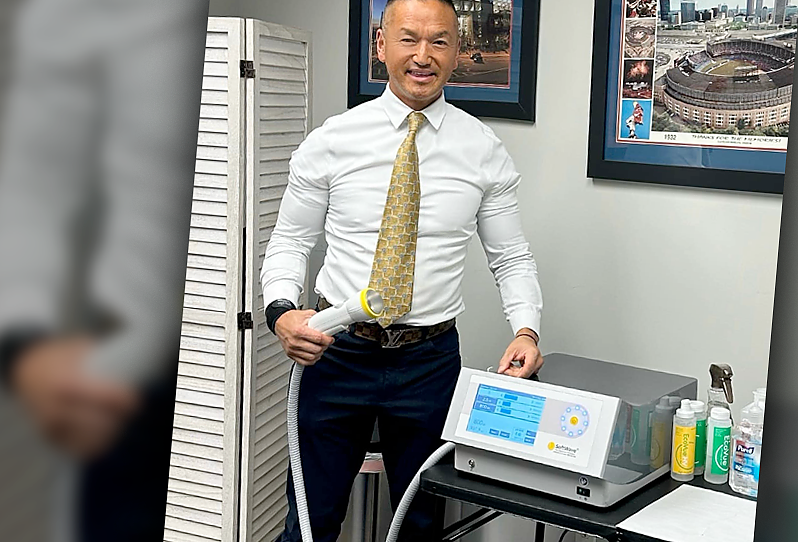
SoftWave Therapy works by delivering precise acoustic waves that stimulate cellular activity deep within injured tissue. Rather than masking pain, it helps trigger the body’s natural repair mechanisms.
For disc-related pain, SoftWave Therapy may help by:
- Improving local circulation
- Stimulating cellular signaling and regeneration
- Reducing chronic inflammation
- Supporting healthier tissue function around the disc
This approach is especially valuable for tissues like discs that don’t heal easily on their own.
Patients visiting SoftWave Cleveland often appreciate that treatment is non-invasive, requires no downtime, and is designed to support long-term healing rather than short-lived relief.
Why Chronic Disc Pain Requires a Different Strategy
If your pain hasn’t improved with rest, stretching, or conventional care, it doesn’t mean nothing can be done. It means the approach needs to change.
Disc injuries require therapies that address:
- Poor circulation
- Cellular dysfunction
- Persistent inflammation
- Nerve irritation
This is why many patients from Cleveland, Ashtabula, and surrounding Northeast Ohio communities seek care that goes beyond symptom control.
If you’re tired of waiting for disc pain to “just heal,” now is the time to explore options that work with your body’s biology instead of against it.
Get Help at SoftWave Cleveland
Chronic disc pain doesn’t heal like muscle injuries — but that doesn’t mean you’re out of options.
SoftWave Cleveland offers advanced, non-surgical care at both our Cleveland location and Ashtabula location, helping patients move beyond pain management and toward real healing.
If you’re ready to take the next step, schedule a consultation today to find out whether SoftWave Therapy is right for your condition.
Your spine was built to move — and with the right support, it can heal better than you may have been told.
Medical Disclaimer: The information provided in this article is for educational purposes only and is not intended as medical advice, diagnosis, or treatment. Individual conditions and responses to care can vary. SoftWave Therapy may not be appropriate for every patient or condition. Always consult with a qualified healthcare provider to determine the most appropriate treatment options for your specific needs.
‹ Back
Recent Posts
-
-

Why Neuropathy Symptoms Often Worsen at Night
February 20, 2026
-
Why Early Intervention Matters With Neuropathy Pain
February 16, 2026
-

Why Balance and Stability Decline With Chronic Pain
February 12, 2026
-
Why Joint Pain Persists Even When Imaging Looks “Normal”
February 5, 2026

 2794 Som Center Road