


Blog
The Difference Between Treating Pain and Restoring Tissue Health
When pain interferes with daily life, most people want relief as quickly as possible. That is completely understandable. Pain limits movement, disrupts sleep, and affects quality of life.
But relief and healing are not always the same thing.
At Ashtabula Disc Center, patients visiting our Cleveland and Ashtabula locations often arrive after months or years of treatment that reduced pain temporarily — only to have it return. The missing piece is frequently the difference between treating pain and restoring tissue health.
Pain Is a Signal, Not the Problem
Pain is the body’s way of signaling that something is wrong. It may be caused by injury, inflammation, nerve irritation, or tissue stress.
While pain feels like the problem, it is often just the symptom. Treating the symptom alone does not always resolve the underlying issue.
This is why pain relief can occur without true healing.
What Treating Pain Typically Involves
Pain-focused treatment aims to reduce or block discomfort. This approach can be helpful in the short term, especially during acute flare-ups.
Common pain-management strategies include:
- Medications that reduce pain or inflammation
- Injections that temporarily calm irritated tissue
- Activity modification or rest
- Passive therapies focused on symptom relief
While these methods may reduce pain, they often do not improve tissue quality or function.
Once their effects wear off, pain frequently returns.
Why Pain Relief Alone Isn’t Enough for Chronic Conditions
Chronic pain usually indicates that tissue has not fully healed. This may involve:
- Reduced circulation
- Ongoing inflammation
- Cellular stress or degeneration
- Delayed or incomplete tissue repair
If these underlying issues remain unaddressed, pain relief tends to be temporary.
This pattern explains why people often cycle through treatments without lasting improvement.
What It Means to Restore Tissue Health
Restoring tissue health focuses on improving how tissue functions at a biological level. Instead of simply quieting pain signals, the goal is to support the body’s natural repair processes.
This approach emphasizes:
- Improving circulation to stressed tissue
- Encouraging cellular activity and repair
- Reducing chronic inflammatory stress
- Supporting stronger, healthier tissue response
When tissue health improves, pain often decreases naturally.
Why Tissue Health Matters Across Many Conditions
The difference between pain relief and tissue restoration applies to nearly every chronic pain condition.
Joint pain and arthritis: Reducing pain without improving joint tissue often leads to ongoing stiffness and degeneration.
Back and neck pain: Addressing symptoms without supporting disc and soft tissue health can allow inflammation and irritation to persist.
Sports injuries: Incomplete tissue repair increases the risk of reinjury and chronic limitations.
Plantar fasciitis and tendon injuries: Poor circulation and cellular stress make healing difficult without targeted stimulation.
Neuropathy and nerve pain: Tissue health around irritated nerves plays a major role in long-term comfort.
How SoftWave Therapy Supports Tissue Restoration
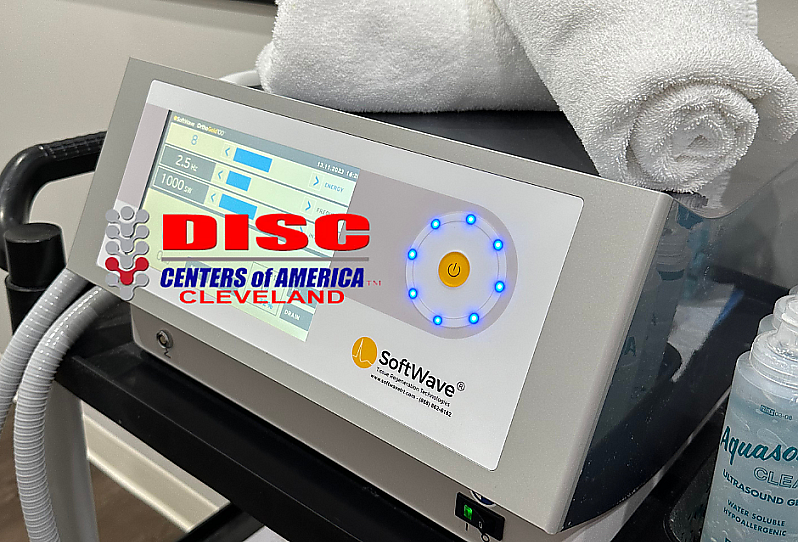
SoftWave Therapy is designed to support healing rather than mask pain. It uses targeted acoustic waves to stimulate cellular signaling in injured or stressed tissue.
This stimulation may help:
- Increase local circulation
- Reduce chronic inflammatory stress
- Encourage healthier cellular response
- Support tissue repair over time
Because these mechanisms are not condition-specific, SoftWave Therapy can be applied across multiple areas of the body.
If pain relief has been temporary or incomplete, schedule a consultation to explore whether a tissue-focused approach may be appropriate.
Why Long-Term Improvement Requires a Different Strategy
Short-term pain relief can be helpful, but long-term improvement requires a strategy that addresses the source of the problem.
Restoring tissue health often leads to:
- More consistent pain reduction
- Improved mobility and function
- Reduced reliance on ongoing pain management
- Greater confidence in movement and activity
This shift in focus is especially important for people who want to stay active and avoid progressive limitations.
Care Available in Cleveland and Ashtabula
Ashtabula Disc Center provides SoftWave Therapy at both our Cleveland and Ashtabula locations, helping patients move beyond symptom management and toward meaningful recovery.
If you are tired of chasing pain relief without lasting results, schedule a consultation today to learn whether SoftWave Therapy may support true tissue healing for your condition.
Medical Disclaimer: The information provided in this article is for educational purposes only and is not intended as medical advice, diagnosis, or treatment. Individual conditions and responses to care can vary. SoftWave Therapy may not be appropriate for every patient or condition. Always consult with a qualified healthcare provider to determine the most appropriate treatment options for your specific needs.
‹ Back
Recent Posts
-
-

Why Neuropathy Symptoms Often Worsen at Night
February 20, 2026
-
Why Early Intervention Matters With Neuropathy Pain
February 16, 2026
-

Why Balance and Stability Decline With Chronic Pain
February 12, 2026
-
Why Joint Pain Persists Even When Imaging Looks “Normal”
February 5, 2026

 2794 Som Center Road