


Blog
How SoftWave Therapy Supports Healing Across Multiple Pain Conditions
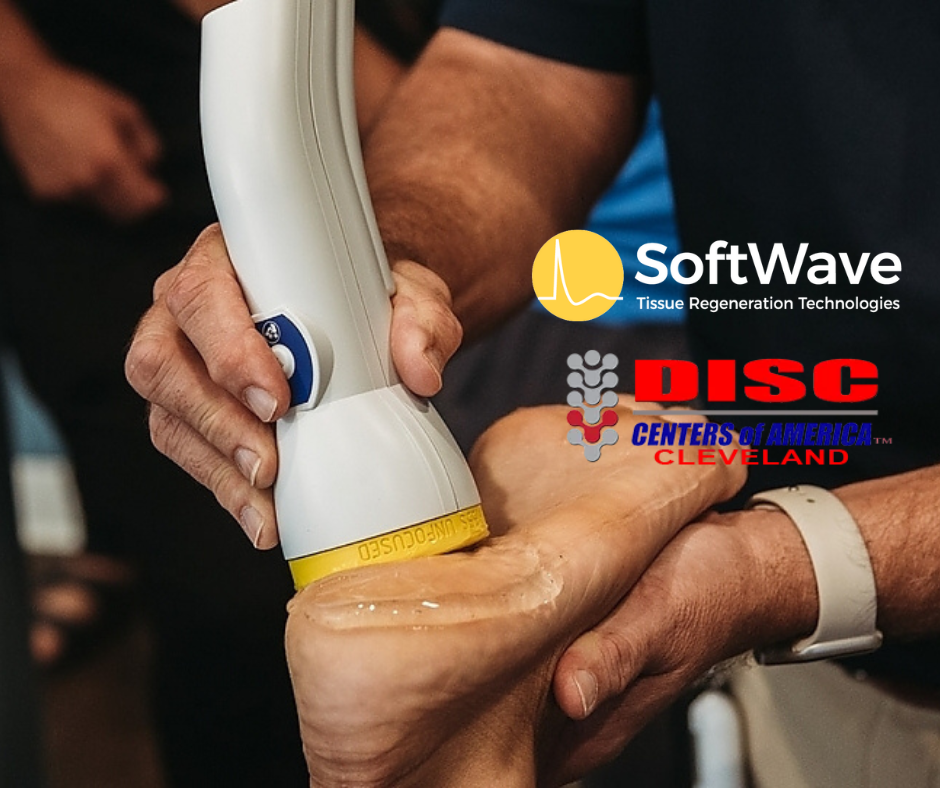
Chronic pain rarely fits neatly into a single category. Many patients experience discomfort that affects multiple areas of the body — a knee that never fully healed, shoulder pain that keeps returning, nerve symptoms that linger, or back pain that gradually worsens over time.
While these conditions may look different on the surface, they often share common underlying factors. At Ashtabula Disc Center, patients visiting our Cleveland and Ashtabula locations frequently discover that pain in different parts of the body is connected by similar biological challenges.
This is where SoftWave Therapy plays an important role.
Why Many Pain Conditions Become Chronic
Acute pain typically follows an injury and improves as tissue heals. Chronic pain, however, behaves differently. It often persists because tissue has not fully recovered at the cellular level.
Common contributors to ongoing pain include:
- Reduced circulation to injured tissue
- Ongoing inflammation
- Cellular stress or degeneration
- Delayed or incomplete tissue repair
These factors are not limited to one area of the body. They affect joints, tendons, nerves, discs, and soft tissue throughout the musculoskeletal system.
A Shared Healing Challenge Across Conditions
Whether someone is dealing with knee pain, shoulder discomfort, plantar fasciitis, neuropathy, or chronic back pain, the challenge is often the same: the tissue involved is not receiving the stimulation it needs to heal properly.
Many traditional approaches focus on symptom management. While this may reduce discomfort temporarily, it often does little to improve tissue health or function.
Supporting healing requires an approach that works at the cellular level rather than simply masking pain.
What SoftWave Therapy Does Differently
SoftWave Therapy uses targeted acoustic waves to stimulate cellular activity in injured or stressed tissue. Instead of suppressing symptoms, it works to activate the body’s natural repair processes.
This stimulation may help:
- Improve circulation in affected areas
- Encourage cellular signaling involved in tissue repair
- Reduce chronic inflammatory stress
- Support healthier tissue response over time
Because these mechanisms apply broadly across the body, SoftWave Therapy can be used to support healing in many different conditions.
Supporting Joint Pain and Arthritis
Joint pain and arthritis often involve inflammation, reduced mobility, and progressive tissue stress. Over time, these changes can limit activity and quality of life.
SoftWave Therapy may support joint health by encouraging circulation and cellular activity in surrounding tissues. This approach is commonly used for knees, hips, shoulders, and other weight-bearing joints where healing has stalled.
If joint pain has limited your ability to stay active, schedule a consultation to explore whether SoftWave Therapy may be appropriate.
Addressing Nerve-Related Pain and Neuropathy
Nerve pain often feels unpredictable and difficult to manage. Symptoms such as tingling, numbness, burning, or radiating discomfort can persist even after the original injury has healed.
SoftWave Therapy may help support healthier tissue environments around irritated nerves by improving circulation and reducing inflammatory stress. While nerve-related conditions vary from person to person, addressing tissue health is a critical part of long-term improvement.
Helping Tendon, Foot, and Sports-Related Injuries
Tendon injuries and conditions such as plantar fasciitis are notoriously slow to heal. These tissues receive limited blood flow, making recovery difficult without targeted stimulation.
SoftWave Therapy is often used to support:
- Plantar fasciitis and foot pain
- Elbow and wrist conditions
- Shoulder and rotator cuff irritation
- Lingering sports-related injuries
By supporting tissue repair rather than forcing rest alone, SoftWave Therapy may help reduce recovery time and improve long-term outcomes.
Why One Technology Can Help Many Conditions
SoftWave Therapy is not condition-specific — it is tissue-specific. Its ability to stimulate cellular repair mechanisms allows it to be applied across multiple areas of the body.
This makes it especially valuable for patients dealing with more than one pain issue or conditions that have not responded to traditional care.
If you are managing chronic pain in multiple areas, request a consultation to discuss a comprehensive, non-invasive approach to care.
Care Available in Cleveland and Ashtabula
Ashtabula Disc Center offers SoftWave Therapy at both our Cleveland and Ashtabula locations, providing access to advanced, non-surgical care for patients across Northeast Ohio.
Whether pain is affecting your spine, joints, nerves, or soft tissue, evaluation is the first step toward understanding your options.
If pain has become a constant part of your life, schedule a consultation today to learn whether SoftWave Therapy may support healing for your specific condition.
Medical Disclaimer: The information provided in this article is for educational purposes only and is not intended as medical advice, diagnosis, or treatment. Individual conditions and responses to care can vary. SoftWave Therapy may not be appropriate for every patient or condition. Always consult with a qualified healthcare provider to determine the most appropriate treatment options for your specific needs.
‹ Back
Recent Posts
-
-

Why Neuropathy Symptoms Often Worsen at Night
February 20, 2026
-
Why Early Intervention Matters With Neuropathy Pain
February 16, 2026
-

Why Balance and Stability Decline With Chronic Pain
February 12, 2026
-
Why Joint Pain Persists Even When Imaging Looks “Normal”
February 5, 2026

 2794 Som Center Road