


Blog
Heel Pain in the Morning? Here’s How to Get Lasting Relief Without Steroid Shots
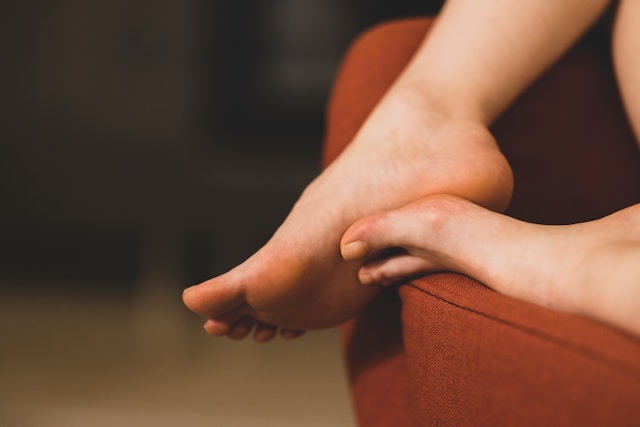
If you wake up every morning with sharp, stabbing heel pain the moment your foot hits the floor, you’re not alone. Heel pain—especially first thing in the morning—is one of the most common foot complaints among adults in Cleveland and across Northeast Ohio. It can make simple tasks like getting out of bed, walking to the kitchen, or starting your workday uncomfortable and frustrating.
For many people, the pain improves slightly as the day goes on, only to return after long periods of standing, sitting, or activity. Over time, this cycle becomes exhausting, limiting your mobility and affecting your quality of life.
Most Cleveland-area patients dealing with morning heel pain are eventually told they may need steroid injections or even surgery. But these treatments come with risks, side effects, and often temporary relief. That’s why more people are now turning to SoftWave Therapy at Cleveland Disc Center—a breakthrough non-invasive option that delivers long-lasting results without drugs or downtime.
If you’re tired of dealing with heel pain every morning, here’s what you need to know about why it happens—and the treatment Cleveland patients are choosing instead.
Why Heel Pain Is Worse in the Morning
Most morning heel pain comes from tension and inflammation in the plantar fascia, a thick band of tissue that supports the arch of your foot and connects your heel bone to your toes. When this tissue becomes irritated or damaged, it tightens overnight. As soon as you take your first steps in the morning, the sudden stretch produces sharp pain.
Common causes of morning heel pain include:
- Plantar fasciitis
- Poor foot mechanics (flat feet or high arches)
- Overuse from walking, running, or standing
- Tight calf muscles or Achilles tendon
- Worn-out or unsupportive footwear
- Scar tissue buildup in the fascia
While plantar fasciitis is the most common culprit, heel pain can also stem from nerve irritation, heel pad degeneration, or inflammation in surrounding tissues.
Why Heel Pain Becomes a Long-Term Problem
Many people try resting, stretching, ice, or new shoes, but the pain keeps coming back. This happens because the plantar fascia is constantly under stress—every step, every movement, and every hour on your feet puts pressure on it.
Chronic heel pain becomes stubborn when:
- The tissue never fully heals
- Inflammation becomes persistent
- Scar tissue forms and reduces flexibility
- Blood flow to the area is limited
- Foot mechanics continue stressing the fascia
Until these deeper issues are addressed, morning heel pain is likely to continue—or even worsen.
The Problem with Steroid Shots
When heel pain lasts more than a few months, many patients are offered steroid injections. While these may provide temporary relief, they often do little to repair the underlying tissue damage.
Steroid injections can also:
- Weaken the plantar fascia over time
- Increase the risk of a rupture
- Lose effectiveness with repeated use
- Mask symptoms without fixing the cause
Because of these risks, more Cleveland patients are turning to regenerative, non-invasive options that help the foot heal naturally—without the dangers associated with steroids.
The Breakthrough: SoftWave Therapy
SoftWave Therapy is one of the most advanced, non-surgical treatments available for chronic heel pain and plantar fasciitis. It uses patented electrohydraulic supersonic acoustic waves to stimulate deep tissue healing and reduce inflammation at the source.
SoftWave reaches the deeper layers of tissue that stretching, massage, and surface-level treatments cannot reach.
SoftWave Therapy helps:
- Reduce inflammation in the plantar fascia
- Increase blood flow to damaged tissues
- Break down scar tissue and adhesions
- Stimulate stem-cell activity and tissue regeneration
- Improve flexibility and function in the foot
- Relieve pain naturally and quickly
Most sessions take 10 to 15 minutes, require no downtime, and are completely non-invasive. Many patients feel relief during their first few visits.
Why Cleveland Patients Are Choosing SoftWave for Heel Pain
SoftWave has become one of the top choices for heel pain relief across Cleveland and Ashtabula because it offers real, long-term results—unlike many traditional treatments.
1. No Needles or Medication
SoftWave is fully non-invasive, making it a safe option for patients of all ages and activity levels.
2. Fast Relief
Patients often notice improvements quickly as inflammation begins to decrease and tissue healing begins.
3. Long-Term Healing
SoftWave works by stimulating natural biological repair, giving patients lasting relief—even for chronic heel conditions.
4. Helps Prevent Recurrence
Because SoftWave treats the underlying tissue damage, results tend to last longer than those from short-term fixes.
5. Effective for Many Foot Conditions
In addition to plantar fasciitis, SoftWave can help with Achilles issues, heel pain from overuse, and tissue tightness in the lower leg.
What Conditions SoftWave Helps Treat
SoftWave Therapy is effective for a wide range of foot and lower leg problems, including:
- Plantar fasciitis
- Heel pain from chronic inflammation
- Achilles tendonitis
- Foot arch pain
- Scar tissue buildup
- Chronic tightness in the calves or Achilles tendon
- Nerve-related heel pain (non-acute)
Because SoftWave supports deep tissue repair, it’s effective for both recent injuries and long-standing heel pain.
Serving Cleveland, Ashtabula, and Northeast Ohio
Cleveland Disc Center provides SoftWave Therapy to patients across the Greater Cleveland area—including Willoughby Hills, Mentor, Euclid, Mayfield Heights, Wickliffe, and nearby communities. The Ashtabula location also serves patients throughout the Lake Erie shoreline and northeastern corridor.
Patients choose SoftWave because it offers a natural, effective, and non-invasive alternative to steroid shots and surgery for chronic heel pain.
Are You a Candidate for SoftWave Therapy?
You may be a good candidate if:
- Your heel pain is worst during your first steps in the morning
- You’ve tried stretching, orthotics, or rest without lasting relief
- You want to avoid steroid injections
- Your pain affects walking, standing, or working
- You’re looking for a long-term solution—not a temporary patch
Most patients with chronic heel pain respond very well to SoftWave Therapy.
Request an Appointment Today
If heel pain is making your mornings miserable, it’s time to explore a treatment that focuses on long-lasting healing—not short-term relief.
Request an appointment here:
https://www.softwavecleveland.com/contact
Let Cleveland Disc Center help you get back to walking comfortably and living pain-free.
‹ Back
Recent Posts
-
-

Why Neuropathy Symptoms Often Worsen at Night
February 20, 2026
-
Why Early Intervention Matters With Neuropathy Pain
February 16, 2026
-

Why Balance and Stability Decline With Chronic Pain
February 12, 2026
-
Why Joint Pain Persists Even When Imaging Looks “Normal”
February 5, 2026

 2794 Som Center Road